




 14:46 2026-01-26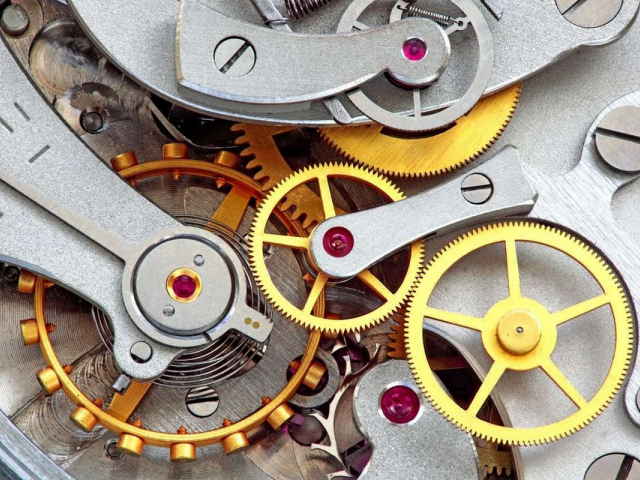
 326
326 9
9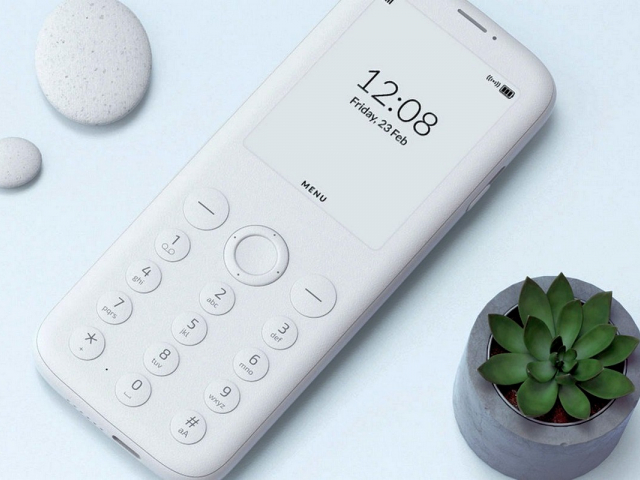
Mechanical watches: heart of gears
While an Apple Watch tells you how many steps you have taken and your stress level, a mechanical watch simply tells the time. Psychologically, “mechanics” symbolize durability in a world of disposables. The balance wheel and mainspring do not require firmware updates, and they do not track you. They are an investment in eternity. Wearing a mechanical watch today is a statement: “My time belongs to me, not to a tech giant’s ecosystem.” It is a business built on pure engineering, where the complexity of a mechanism matters more than the functionality of a microchip.
“Dumbphones”: minimalist phones
Minimalist phones such as the Light Phone or Punkt have become a premium accessory. They have no browsers or social networks — just calls, SMS, and a crystal‑clear design often based on e‑ink displays. The psychology behind these devices is the fight against the “dopamine loop.” Buyers purchase not a gadget but freedom from endless scrolling. In a world where AI analyzes every click, a phone meant just for calls becomes a personal refuge and the highest form of control over one’s attention.
Vinyl records vs. perfect digital sound
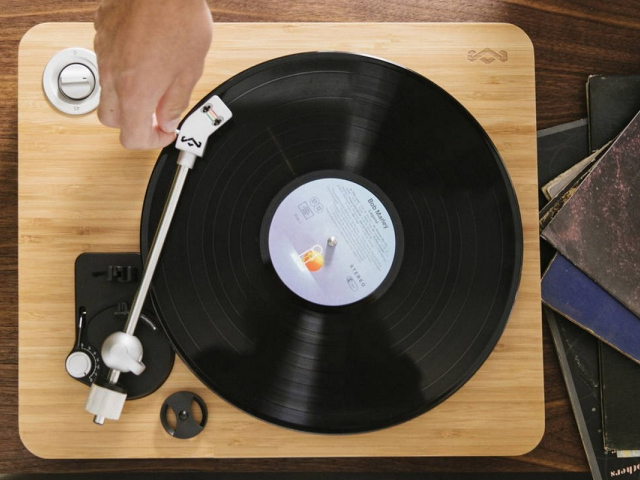
In the streaming era, when any music is available instantly, vinyl has won out thanks to its “inconvenience.” Choosing a record, dusting it off, and gently lowering the needle becomes a meditative ritual. Psychologically, we value what requires physical effort. Vinyl restores music’s worth as a material object. This is “slow consumption,” where imperfections in sound (a slight crackle) are perceived as signs of something alive and human, in contrast to the sterile perfection of digital recordings.
Mechanical typewriters: thought made tangible
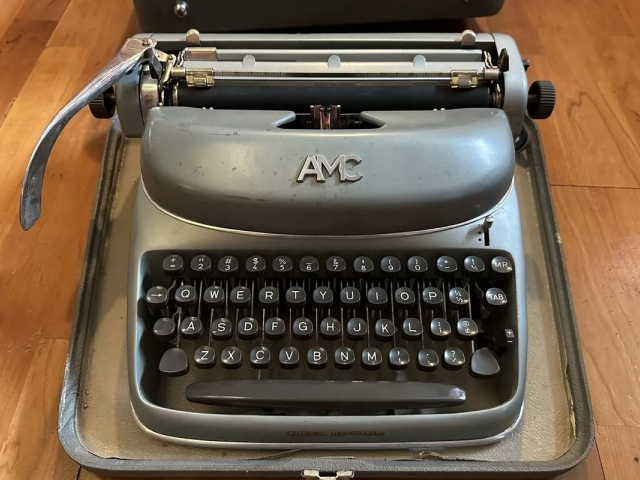
More and more writers and screenwriters shift their focus back to typewriters (or modern analogs like the Astrohaus Freewrite). The lack of internet and the impossibility of hitting Ctrl+Z force you to think more before you press a key. The sound of keys striking paper gives a physical sense of creation. This is the psychology of irreversibility: every word has weight. In a world where AI generates text in millions of characters per second, a manuscript produced on mechanics becomes a unique artefact of individual intellectual labor.
Film photography: cost of moment
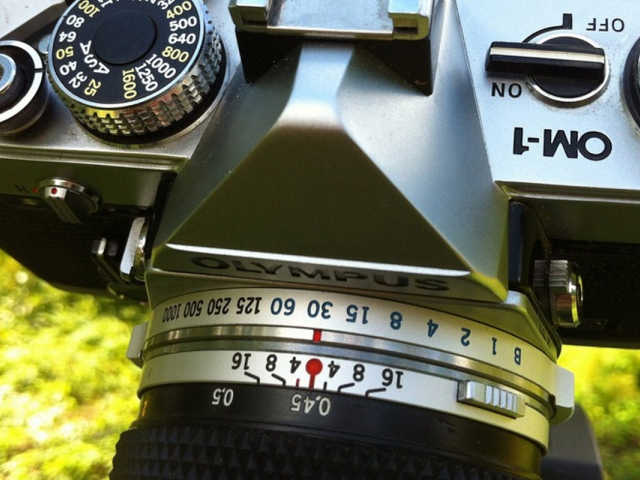
The popularity of film cameras in 2026 is a protest against “disposable” content. When you have only 36 frames, you stop shooting everything and start seeing the shot. The psychology of waiting for the film to be developed creates an emotional bond with the image that digital photography lacks. Film acknowledges the right to make mistakes and values a moment that can’t be instantly edited with filters. For a Leica M6 owner, a photograph is not a file but a physical negative that holds a sliver of light from a specific day.
Screen‑free home design: “black hole” zones
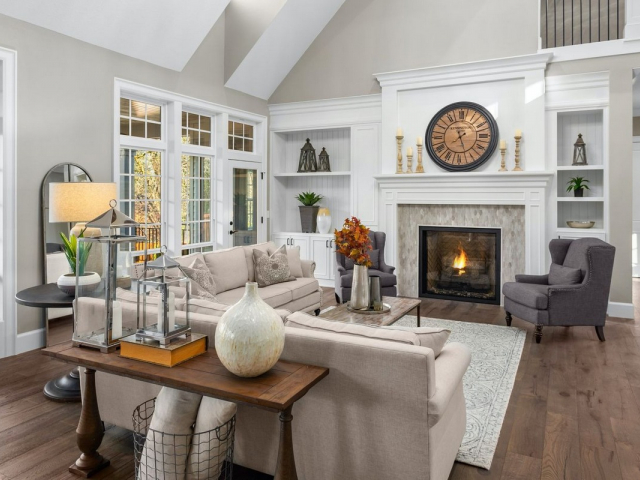
A trend in premium interior design is rooms where electronics are hidden or forbidden altogether. These spaces are meant for conversation, beside the fireplace or in a library. The psychological effect of “free eyes” lets the brain exit the constant information‑scanning mode. Such interiors favor tactile materials: wood, coarse linen, stone, and leather. Removing the TV as the living room’s focal point has become a key sign that owners value real life over the virtual.
Paper planning: ruling your life
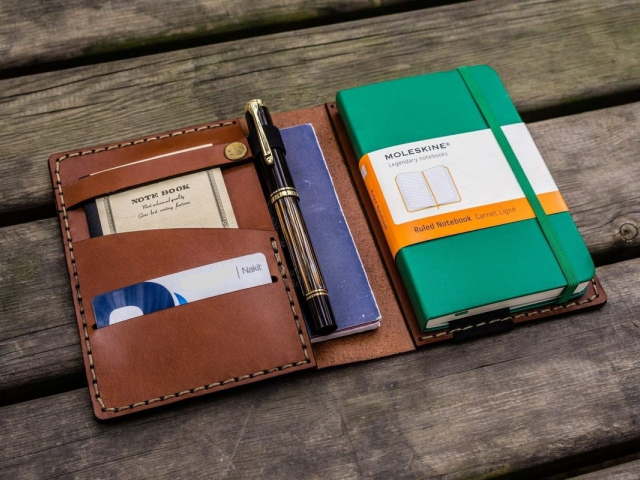
Despite hundreds of planner apps, sales of premium notebooks (Moleskine, Leuchtturm1917) are surging. Psychologists say handwriting activates brain regions responsible for memory and learning far more than typing. A paper planner is a space that cannot be “hacked” or erased with a click — it is your personal archive of thoughts. Using a fountain pen and quality paper turns daily planning into an aesthetic act, restoring a sense of authorship over one’s life.
Board games: social glue
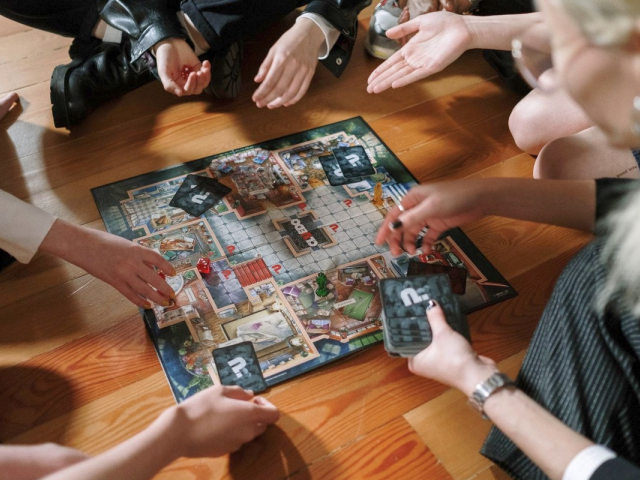
The boom in board games is a response to social isolation caused by social networks. Gathering around a table to move pieces and roll dice has become a vital act of live interaction. Modern board games are not children’s entertainment but a way to rebuild social skills. Face‑to‑face gaming lets you read micro‑expressions and intonation in ways online matches can’t. This is a business built around the need for belonging, where cardboard and plastic become the pretext for many hours of human interaction.
Craft workshops: return to roots
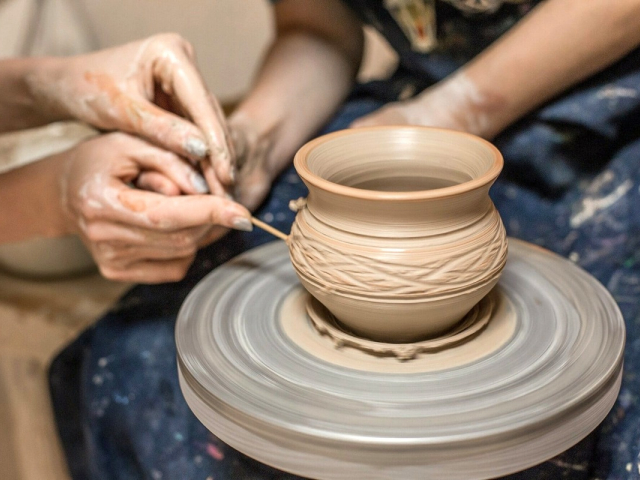
New hobbies — pottery, woodworking, or cooking from scratch — are on the rise. The psychological concept of “flow” is most easily reached when working with your hands. In a world where intellectual labor often results in the virtual, creating a physical object (a cup or a chair) delivers a huge serotonin hit. It’s a return to roots: we feel alive when our hands change the shape of matter. The workshop has become a new temple of silence, where the city’s noise is drowned out by the sound of tools at work.


-
Grand Choice
Contest by
InstaForexInstaForex always strives to help you
fulfill your biggest dreams.JOIN CONTEST -
Chancy DepositDeposit your account with $3,000 and get $10000 more!
In January we raffle $10000 within the Chancy Deposit campaign!
Get a chance to win by depositing $3,000 to a trading account. Having fulfilled this condition, you become a campaign participant.JOIN CONTEST -
Trade Wise, Win DeviceTop up your account with at least $500, sign up for the contest, and get a chance to win mobile devices.JOIN CONTEST


